
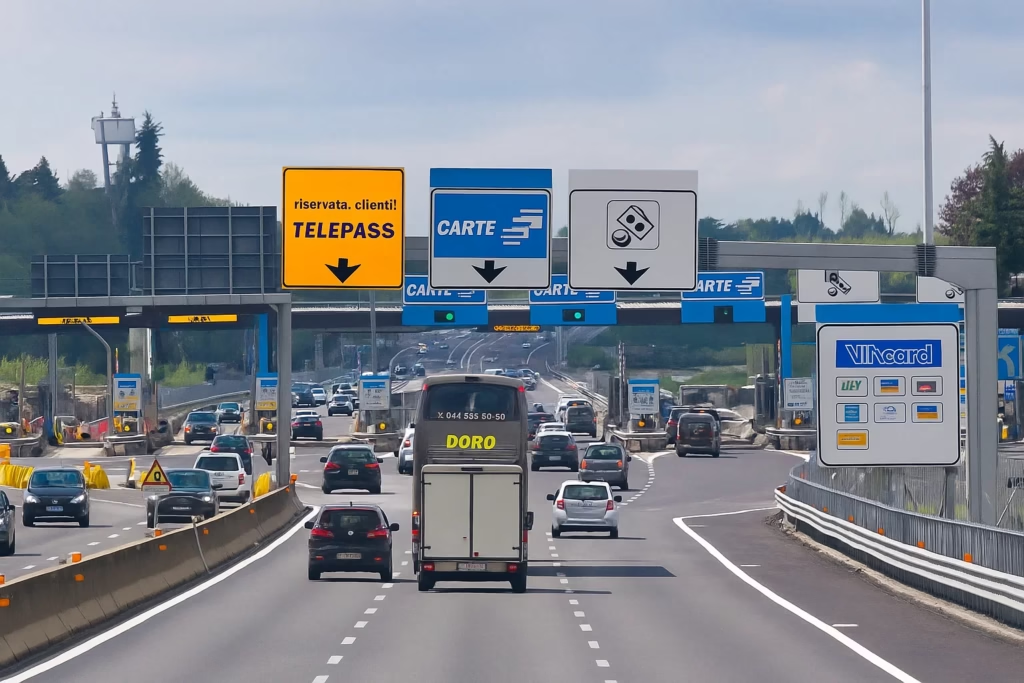
For many new drivers, using a toll road or motorway can be both exciting and intimidating. These high-speed roads are designed for smooth, efficient travel, but they also come with specific rules and expectations. Understanding these regulations is essential not only to stay safe but also to avoid fines and unnecessary stress.
In this article, we’ll break down everything new drivers need to know about toll roads and motorways from payment systems to driving and legal requirements.
What Are Toll Roads and Motorways?
Toll Roads are highways where drivers pay a fee to use the road. The tolls are used for maintenance, upgrades, and infrastructure development.
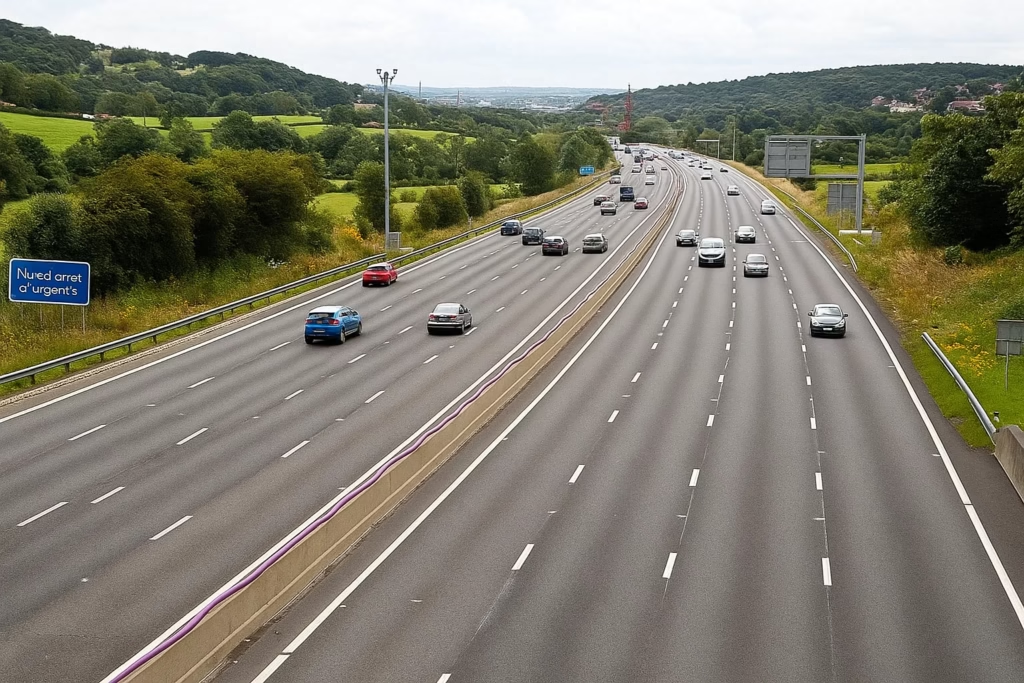
Motorways, on the other hand, are high-speed roads (usually marked with the “M” prefix in countries like the UK) designed for long-distance travel and heavy traffic flow, with limited access points and no pedestrian crossings.
Using a Toll Road: How It Works
Check Payment Options
Modern toll roads may use various payment methods:Electronic tags (e.g., E-tag, EZ Pass, or AutoPass)
Card or cash payments at toll booths
Online payments after travel (post-pay)
Always check before entering to ensure you can pay correctly — unpaid tolls can result in penalties.
Observe Toll Signs Early
Toll plazas and payment points are clearly marked. Slow down safely and choose the correct lane for your payment method.Keep Sufficient Balance or Cash
If using an electronic tag, ensure your account is active and topped up. For manual payments, carry the required cash or card.Receipts and Proof of Payment
Always keep your receipt or transaction record until your journey is confirmed as paid, especially if you use pay-later systems.
Motorway Rules Every Driver Should Know
1. Entry and Exit
Enter a motorway only via a slip road — never stop on the entry ramp.
Use the acceleration lane to match the speed of traffic before merging.
Exit using the deceleration lane, signaling early and reducing speed gradually.
2. Speed Limits
The default motorway speed limit is typically 70 mph (113 km/h) unless signs indicate otherwise.
Variable speed limits may appear during roadworks or heavy traffic — always follow digital signs.
3. Lane Discipline
Left lane: For regular driving.
Middle lane: For overtaking slower vehicles.
Right lane (fast lane): Only for overtaking, then move back to the left.
Avoid “lane hogging” — staying in the middle or right lane unnecessarily can result in fines.
4. Overtaking Safely
Only overtake on the right (in countries driving on the left).
Check mirrors, signal, and ensure you have enough space.
Never cut back in too early after overtaking.
5. Stopping and Emergencies
Never stop on the motorway unless it’s an emergency.
If you must stop, pull into the hard shoulder and turn on your hazard lights.
Exit the vehicle from the passenger side and wait behind the barrier for assistance.
Safety and Courtesy Tips
Keep a Safe Following Distance: Maintain at least two seconds behind the vehicle ahead in dry conditions. Increase the gap in rain, fog, or icy weather to give yourself more reaction time.
Avoid Distractions: High speeds reduce reaction time. Avoid using phones, eating, or other distractions while driving. Stay focused on the road.
Stay Alert for Signage: Watch for signs indicating toll booths, upcoming exits, speed limits, and service areas. Early observation helps you plan lane changes safely.
Use Indicators Early: Signal your intentions well in advance when changing lanes or exiting to alert other drivers.
Carry Emergency Essentials: Always have a warning triangle, high-visibility vest, phone charger, and first-aid kit in your vehicle.
Check Your Vehicle Before Travel: Ensure fuel, tire pressure, oil, and lights are in good condition before long motorway journeys.
Adapt Speed to Conditions: Even if the speed limit allows, reduce speed in heavy traffic, bad weather, or construction zones.
Plan Your Route: Know toll points, rest areas, and alternative routes in advance to reduce stress and sudden lane changes.
Mastering toll road and motorway rules is a big step toward becoming a confident, responsible driver. These roads are designed to make travel faster and safer as long as you follow the rules and respect other drivers. Before setting off, always plan your route, check toll payment options, and ensure your vehicle is in good condition.
FAQ
Q1: Can new drivers use motorways?
Yes, in most countries, new drivers can use motorways, but they should be confident in high-speed driving and lane discipline. Some countries may have restrictions always check local laws.
Q2: How do toll roads work?
Toll roads require payment to use, either at toll booths, via electronic tags, or online prepayment, depending on the country and road.
Q3: Are there special speed limits on motorways?
Yes, motorways often have higher speed limits than urban roads. Always follow posted limits and adjust for traffic or weather conditions.
Q4: Can I stop on a motorway?
Only in emergencies. Use hard shoulders or emergency bays and turn on hazard lights. Never stop for breaks or sightseeing.
Q5: How do I safely enter and exit a motorway?
Use slip roads to gradually match traffic speed when entering. When exiting, signal early and slow down on the deceleration lane.
Discover more from SMOOTHSTEERING
Subscribe to get the latest posts sent to your email.

Pingback: Lane Discipline - Staying in the Right Lane at the Right Time
Pingback: Vehicle Maintenance Basics – Keep Your Car Running Smoothly