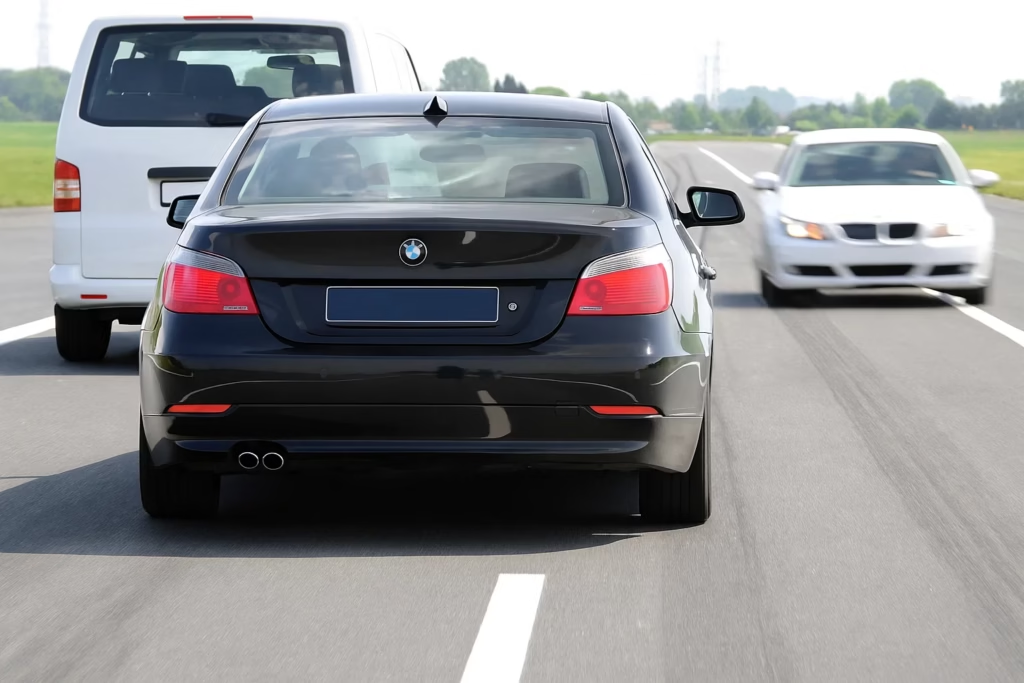
Overtaking is something most drivers do every day. It can look easy — you see a slower vehicle ahead, move around it, and continue your journey. But in reality, overtaking is one of the most dangerous maneuvers on the road if not done correctly. A single mistake or wrong judgment can lead to serious accidents.
Whether you’re a new driver or someone with years of experience, it’s always worth revisiting how to overtake safely and responsibly. Let’s explore when, where, and how you should overtake to keep yourself and others safe on the road.
01. Check the Road Ahead
Before you overtake, make sure the road ahead is clear and safe for the entire time you’ll be on the other side.
Check for:
Oncoming vehicles
Bends or corners
Hills or slopes that block your view
Junctions or side roads
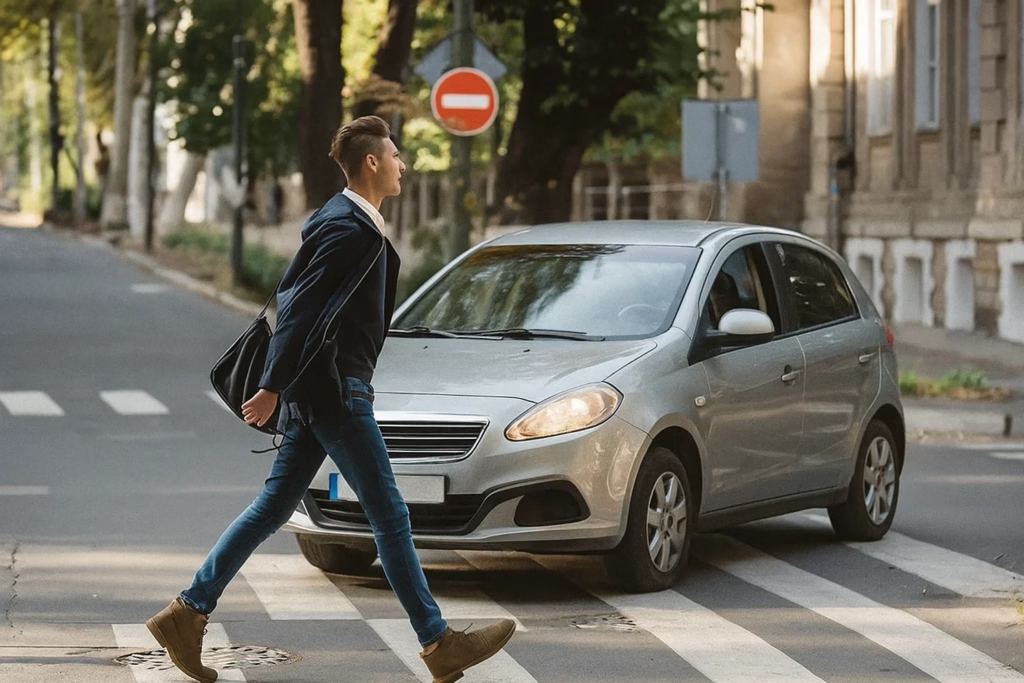
Pedestrian crossings
Solid white lines (which mean “no overtaking”)
If you can’t see far enough ahead, don’t do it. Never guess — be sure.
02. Check Your Mirrors and Blind Spots
Use your mirrors to see what’s happening behind you and beside you.
Rearview mirror: Is someone close behind you or trying to overtake?
Side mirror: Is the lane next to you clear?
Blind spot: Turn your head slightly to check areas your mirrors don’t show.
If another driver is already overtaking, wait until they’ve finished. Never compete for space — that’s how accidents happen.
03. Signal Your Intention
Once you know it’s safe, signal your move early.
Turn on your right indicator (or left, depending on which side you drive).
Let it flash for a few seconds before pulling out.
This warns the driver ahead, those behind you, and anyone oncoming that you’re about to pass. Signaling too late can surprise others and create confusion.
04. Check Your Speed and Gears
Before overtaking, you’ll need enough speed and power to pass quickly and safely.
If you’re driving a manual car, shift to a lower gear to get better acceleration. Avoid overtaking if your engine doesn’t have enough power to complete the move without struggling.
The goal is to minimize the time you spend on the wrong side of the road. You should pass swiftly but without exceeding the speed limit.
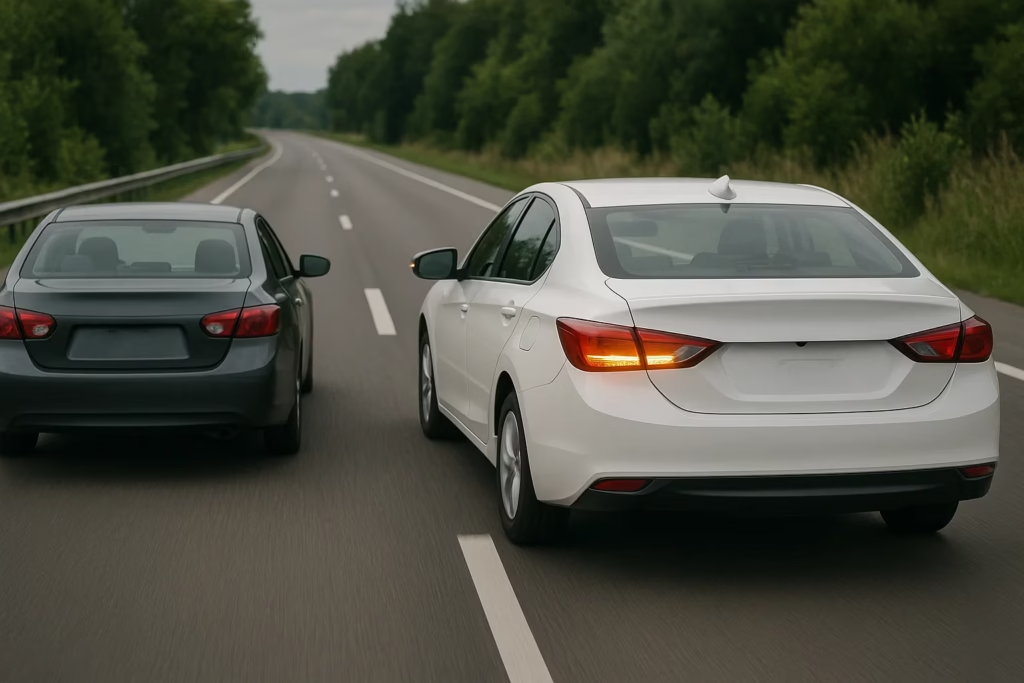
05. Move Out Smoothly
When everything looks clear:
Pull out smoothly into the overtaking lane.
Keep a safe distance from the vehicle you’re passing.
Focus on the road ahead, not just the car beside you.
Avoid swerving or jerking the wheel. Your steering should stay steady, and your car should stay balanced.
While passing, don’t linger beside the other vehicle — the less time you spend overtaking, the safer it is.
06. Return to Your Lane Safely
When you’re ahead of the vehicle, check your rearview mirror.
If you can see the vehicle’s entire front in your mirror, it’s safe to return.
Then:
Signal left (or right).
Gently move back into your lane.
Leave a safe distance — don’t cut in too soon.
Give the other driver at least a 2–3 second gap before you move in front of them.
Top Tips for Overtaking Safely
1. Plan Ahead
Check the road ahead for clear visibility and space.
2. Stay Patient
Don’t rush to overtake waiting for a safe gap is far safer than forcing the move.
3. Anticipate Traffic
Watch other drivers’ behavior and the flow of traffic ahead predicting movements helps you choose the right moment.
4. Give Space
Leave plenty of distance between you and the vehicle you’re overtaking, especially larger vehicles.
5. Think About Weather and Light
Rain, fog, or darkness increases risk adjust your actions and avoid overtaking if conditions are poor.
Overtaking safely is not about being fast — it’s about being smart, patient, and alert. Every decision you make on the road affects not just you, but everyone around you.
Remember these golden rules:
Think before you act.
Never overtake when your view is blocked.
Signal, check, and move smoothly.
Respect other drivers and give them space.
Driving isn’t a race. It’s a shared responsibility. If every driver followed these simple steps, our roads would be far safer and calmer for everyone.
FAQ
Q1: How do I know if I have enough space to overtake?
Ensure you can accelerate, pass the vehicle, and return to your lane safely without cutting off other drivers or causing risk to oncoming traffic.
Q2: Should I use indicators while overtaking?
Yes. Signal early before moving out of your lane and signal again after returning. This informs other drivers of your intentions.
Q3: Can I overtake at night or in poor weather?
Overtaking in low visibility, rain, or fog is risky. Only overtake if you can see clearly and the road is safe, otherwise wait.
Q4: Are there common mistakes to avoid?
Yes. rushing, misjudging speed or distance, overtaking on bends, failing to signal, or cutting back too early are frequent errors that cause accidents.
Q5: How can I overtake large vehicles safely?
Give extra space when overtaking trucks or buses, and accelerate quickly to minimize time spent alongside them. Be cautious of blind spots.
Discover more from SMOOTHSTEERING
Subscribe to get the latest posts sent to your email.