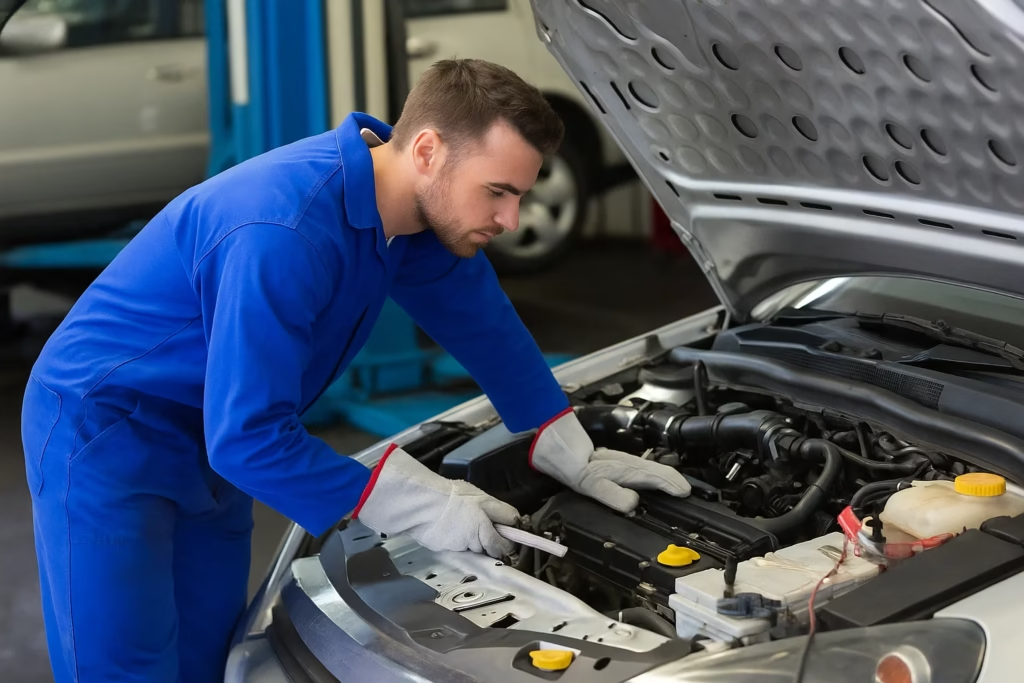
Owning a vehicle comes with the responsibility of keeping it in good condition. Regular maintenance not only ensures safety but also extends the lifespan of your car and helps you avoid expensive repairs. Whether you drive daily or occasionally, understanding vehicle maintenance basics can make a big difference in performance and reliability.
Why Vehicle Maintenance Matters
A well-maintained vehicle runs more efficiently, consumes less fuel, and is less likely to break down unexpectedly. Neglecting routine maintenance can lead to worn-out parts, poor fuel economy, and even safety risks. Think of maintenance as preventive care — it’s better to spend a little now than a lot later on major repairs.
01. Check Engine Oil Regularly
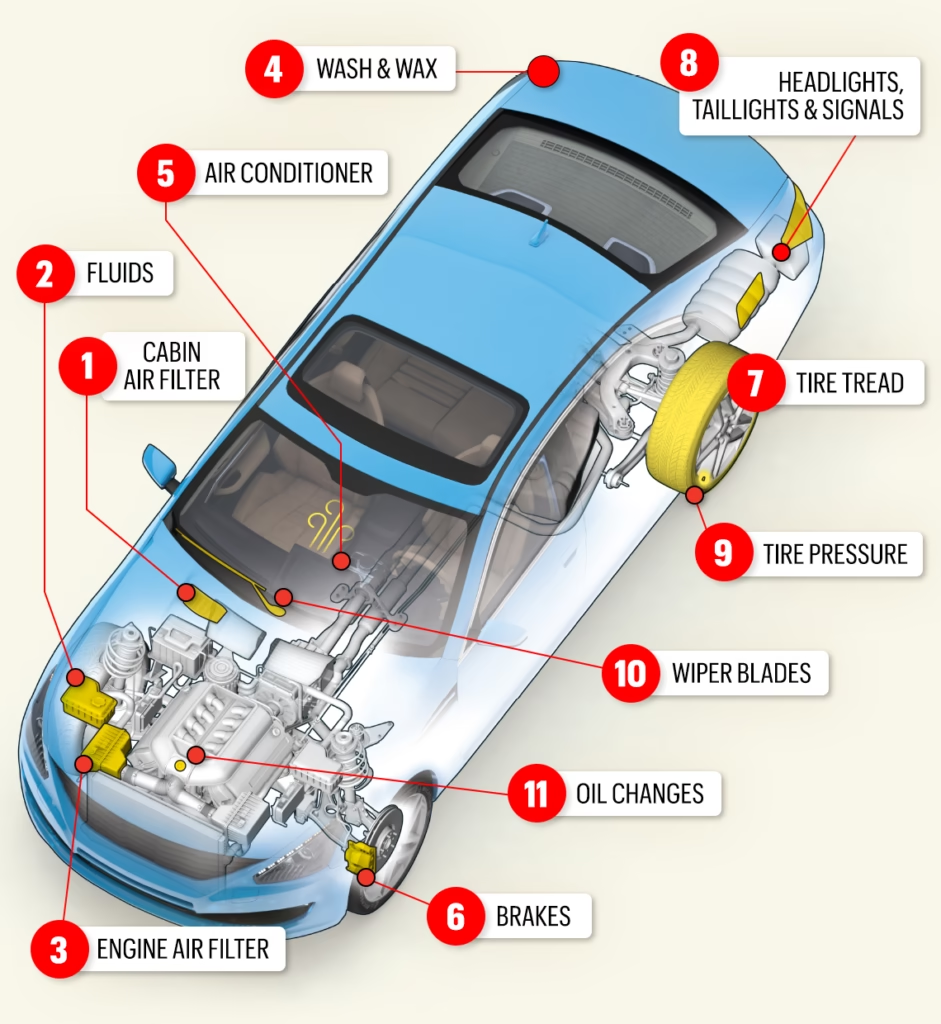
Engine oil is the lifeblood of your car. It lubricates moving parts and prevents overheating. Check your oil level at least once a month using the dipstick, and make sure to change the oil as recommended by your manufacturer (usually every 5,000–10,000 km). Low or dirty oil can cause serious engine damage.
02. Monitor Tire Pressure and Tread
Proper tire maintenance keeps your car stable and improves fuel efficiency. Check tire pressure monthly and before long trips using a tire pressure gauge. Refer to your vehicle manual or the sticker on the driver’s door for the correct PSI.
03. Keep Fluids in Check
Your car relies on several essential fluids, not just oil. These include:
Coolant: Prevents the engine from overheating.
Brake fluid: Ensures smooth braking.
Transmission fluid: Keeps gear shifts smooth.
Windshield washer fluid: Helps maintain visibility.
Regularly check fluid levels and top them up if necessary. If any fluid leaks under your car, get it inspected immediately.
04. Inspect Brakes and Lights
Your brakes are your most important safety system. Listen for squeaking, grinding, or vibration when braking — these could indicate worn brake pads or rotors. Also, test all lights (headlights, brake lights, turn signals) at least once a month to ensure they’re working correctly.
05. Replace Air Filters
Clean air filters improve engine performance and fuel efficiency. If the air filter looks dirty or clogged, replace it — usually every 15,000–20,000 km. Cabin air filters should also be changed to ensure clean air inside your vehicle.
06. Check the Battery
Car batteries typically last 3–5 years. Keep the terminals clean and free of corrosion, and ensure it’s securely mounted. If you notice slow engine starts or dimming lights, it may be time for a replacement.
Img Source : https://www.little500festival.net
Tips for Vehicle Maintenance
Stay Consistent: Don’t wait for something to go wrong — check your car regularly, even when it’s running fine.
Know Your Dashboard: Learn what each warning light means so you can react quickly to potential problems.
Listen to Your Car: Unusual noises, vibrations, or smells are early signs that something needs attention.
Keep Fluids in Check: Oil, coolant, and brake fluid are essential for smooth performance never ignore low levels.
Protect Your Battery: Avoid leaving lights or electronics on when parked; it prevents battery drain.
Inspect Tires Monthly: Proper inflation improves safety and saves fuel. Rotate tires as recommended.
Wash Your Car Regularly: Cleaning removes dirt and salt that can cause rust and wear.
Follow the Service Schedule: Stick to the manufacturer’s maintenance intervals for long-term reliability.
Basic vehicle maintenance doesn’t require expert skills — just consistency and attention. By checking fluids, tires, lights, and other key components regularly, you’ll keep your car in top shape and save money in the long run. A little care goes a long way in ensuring a smooth and safe drive every time.
FAQ
1. How often should I service my car?
Every 6 months or 10,000 km, whichever comes first.
2. How often should I change my engine oil?
Every 5,000–10,000 km, depending on your vehicle and oil type.
3. What happens if I skip maintenance?
It can cause poor performance, costly repairs, and safety issues.
4. How do I know if my brakes need replacement?
If you hear squealing, grinding, or feel vibration when braking.
5. How often should I check tire pressure?
At least once a month and before long trips.
6. When should I replace the air filter?
Every 15,000–20,000 km or once a year.
7. How do I know if my battery is weak?
Slow starts or dim lights are common signs.
8. Can I do vehicle maintenance myself?
Yes, simple checks like oil, tires, and fluids can be done at home.
9. When should I rotate my tires?
Tires should generally be rotated every 8,000–10,000 km or as suggested in your car’s manual to ensure even wear.
10. How often should I service my car?
Follow your manufacturer’s service schedule, usually every 10,000–15,000 km or once a year, whichever comes first.
Discover more from SMOOTHSTEERING
Subscribe to get the latest posts sent to your email.