
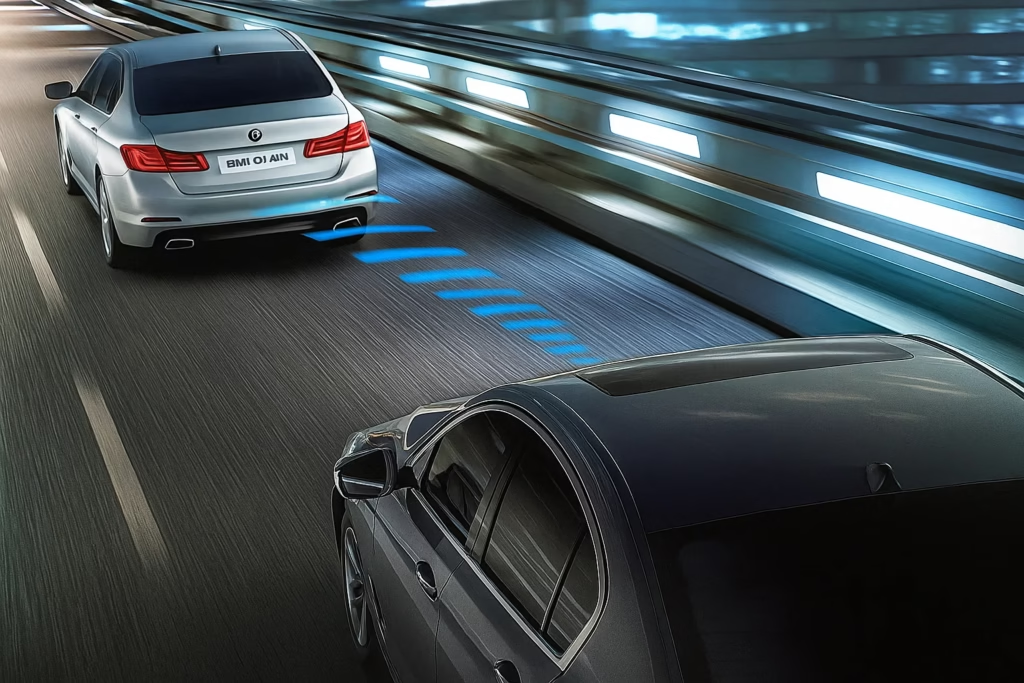
Understanding safe stopping distances is one of the most important aspects of defensive driving. It’s not just about knowing when to brake. It’s about anticipating, reacting, and maintaining a distance that could save lives. In this guide, we’ll break down what stopping distance means, how it’s calculated, and the key factors that affect it.
What Is Stopping Distance?
Stopping distance is the total distance your vehicle travels from the moment you realize you need to stop until the car actually comes to a complete halt. It includes two main parts:
Thinking Distance: The distance covered between noticing a hazard and pressing the brake pedal.
Braking Distance: The distance the car travels after you start braking until it stops completely.
These two components together form the total stopping distance, which varies depending on your speed, road conditions, and reaction time.
How to Calculate Stopping Distance
| Speed | Thinking Distance | Braking Distance | Total Stopping Distance |
|---|---|---|---|
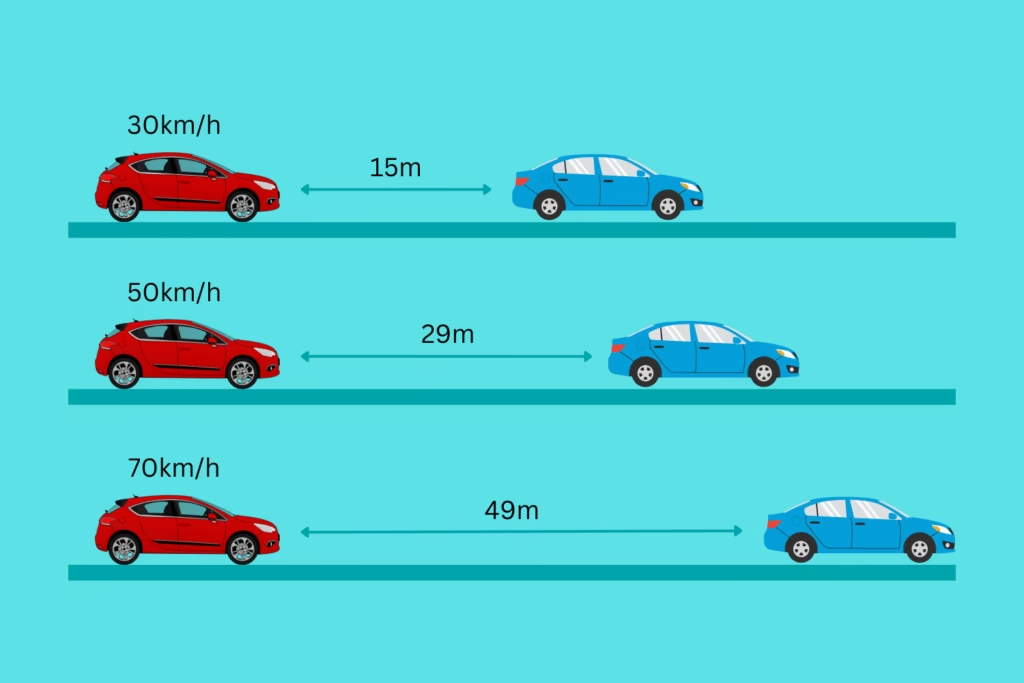
| 30 km/h | 9 m | 6 m | 15 m |
| 50 km/h | 15 m | 14 m | 29 m |
| 70 km/h | 21 m | 28 m | 49 m |
| 100 km/h | 30 m | 55 m | 85 m |
Tip: The faster you drive, the greater the stopping distance — and the longer it takes to react safely.
How to Maintain a Safe Distance
A good rule of thumb is the “Two-Second Rule.”
Keep at least two seconds of space between your car and the vehicle in front in normal conditions.
In bad weather, increase it to four seconds or more.
You can test this by picking a roadside marker. When the car ahead passes it, count “one thousand and one, one thousand and two.” If you reach the same point before finishing, you’re too close.
Steps to Practice Safe Following Distance
-
Pick a Fixed Object: Choose something ahead like a tree, road sign, or lamp post.
-
Watch the Car Ahead: As it passes the object, start counting — “one-thousand-and-one, one-thousand-and-two.”
-
Check Your Distance: If you reach the same object before finishing the count, you’re too close. Gently slow down.
-
Adjust for Weather: Double the count in rain and triple it in fog or icy conditions.
-
Practice Often: Repeat this on every drive until it becomes a habit. Maintaining safe space helps prevent sudden collisions and keeps driving smooth and controlled.
Factors That Affect Stopping Distance
Several variables can change how far your car travels before it comes to a complete stop:
1. Speed – The most significant factor. Stopping distance increases exponentially with speed.
2. Weather and Road Conditions – Wet, icy, or gravel-covered roads reduce tire traction, meaning your car needs more distance to stop.
3. Tyre Condition – Worn or underinflated tires can drastically reduce grip, increasing braking distance.
4. Driver’s Reaction Time – Distractions, fatigue, or even alcohol can delay your reaction time.
5. Vehicle Condition – The type of brakes, weight of the vehicle, and condition of the suspension can all influence stopping performance.
Lane Discipline – Staying in the Right Lane at the Right Time
Top Tips for Maintaining Safe Stopping Distances
-
Follow the Two-Second Rule:
Always keep at least a two-second gap between you and the car ahead in dry weather. Count “one-thousand-and-one, one-thousand-and-two” as your guide. -
Double or Triple in Bad Weather:
Rain, fog, or snow reduces traction increase your distance to four or even six seconds for extra safety. -
Stay Alert and Avoid Distractions:
A slow reaction adds meters to your stopping distance. Keep your eyes on the road and avoid using your phone while driving. -
Maintain Your Brakes and Tires:
Worn brakes or underinflated tires significantly increase stopping distance. Regular maintenance ensures safer stops. -
Adjust Speed to Conditions:
Drive slower on wet, icy, or uneven roads. The faster you go, the longer it takes to stop simple but crucial. -
Avoid Tailgating:
Following too closely gives you no time to react. Keep a safe space cushion, especially in heavy traffic.
Safe stopping distances are about more than numbers — they’re about awareness, control, and responsibility on the road. By understanding how stopping distance works and adjusting for conditions, every driver can play a part in reducing accidents and keeping roads safer.
FAQs
Q1 : Does ABS (Anti-lock Braking System) reduce stopping distance?
A: ABS helps maintain steering control during emergency braking, but it doesn’t always reduce stopping distance, especially on loose or icy surfaces.
Q2 : How can I improve my reaction time while driving?
A: Stay focused, avoid distractions like phones, and get enough rest before long trips.
Q3 : Should I rely on brake assist technologies?
A: While helpful, no technology replaces safe driving habits and keeping a proper distance.
Q4: How can I estimate the correct following distance?
Use the “two-second rule” in dry conditions double it in the rain and triple it on icy road
Q5: Does vehicle type affect stopping distance?
Yes. Heavier vehicles or those carrying loads need a longer distance to stop safely compared to small cars.
Discover more from SMOOTHSTEERING
Subscribe to get the latest posts sent to your email.

Pingback: How to Use the Hard Shoulder Correctly