
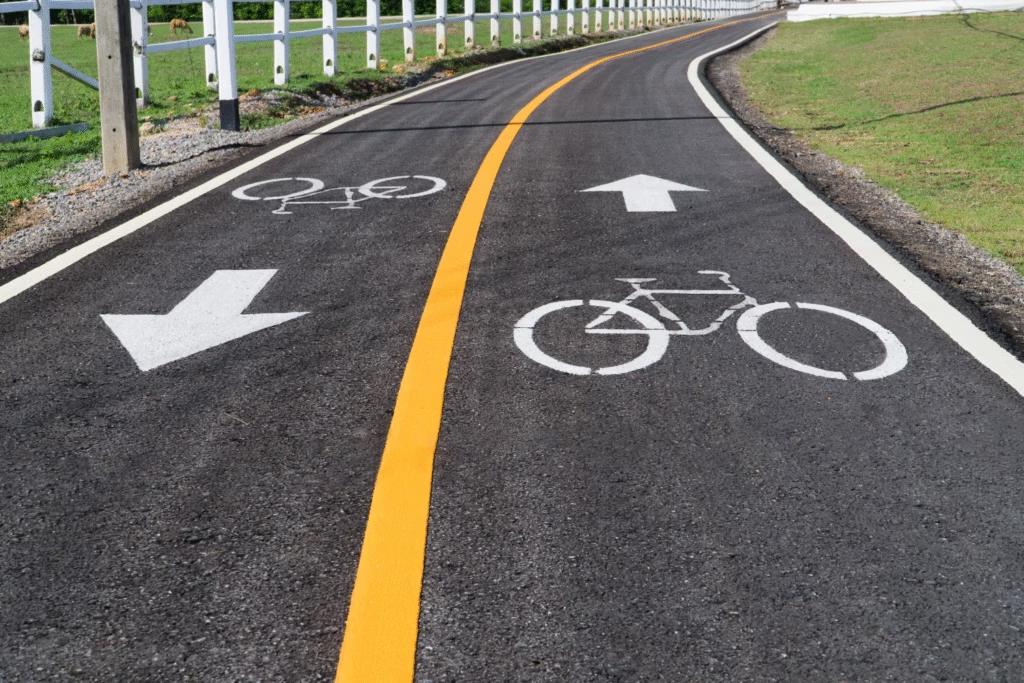
Road markings play a key role in keeping traffic organized and safe. In Latvia, as in most European countries, road lines guide drivers, separate lanes, and indicate where overtaking or stopping is allowed. If you’re new to driving in Latvia or just want a refresher, understanding these lines will make your journeys smoother and safer.
The Purpose of Road Markings
Before diving into each marking, it’s good to know why they exist. Road markings in Latvia help drivers:
Stay in their lane
Know where overtaking is allowed
Understand priority at intersections
Keep a safe distance from other vehicles
Follow pedestrian and cyclist zones
These markings are standardized under European road rules, so they’re familiar to most drivers across the EU.
Center Lines (Lane Dividers)
The center of the road often has lines that separate lanes of traffic moving in opposite directions.
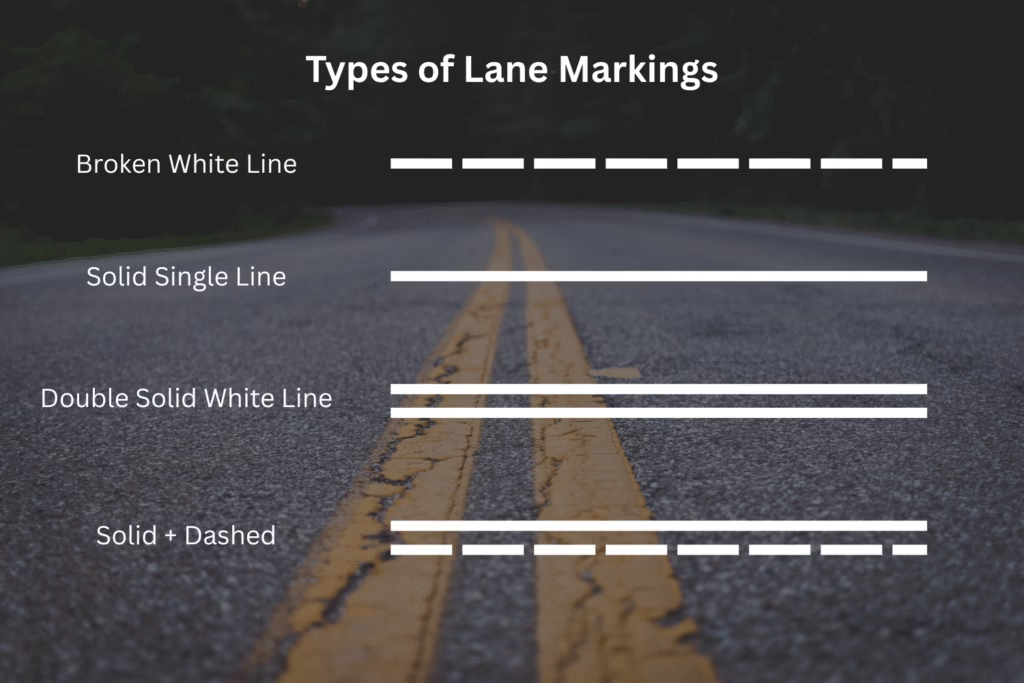
01. Broken (Dashed) White Line
Meaning: You may cross the line to overtake or change lanes — but only when it’s safe.
Commonly seen: On straight rural roads or wide city streets.
Tip: Always check for oncoming vehicles before overtaking.
02. Single Solid White Line
Meaning: Crossing or overtaking is not allowed. Stay in your lane.
Used when: Visibility is limited (sharp curves, hilltops, intersections).
Tip: If you must cross (e.g., obstacle on the road), do so with extreme caution.
03. Double Solid White Line
Meaning: Strictly no overtaking or crossing.
Used when: There’s high traffic risk or poor visibility.
Tip: Treat it as a physical barrier — stay within your side.
04. Combination Line (Solid + Dashed)
Meaning: The rule depends on which side of the line you are.
If the dashed line is on your side, you can cross to overtake.
If the solid line is on your side, you cannot cross.
Commonly used: Where overtaking is allowed in one direction only.
Edge Lines and Road Boundaries
On the edges of the road, you’ll often see a solid or broken white line. These mark the outer boundaries of the driving lane. The solid edge line means you should not cross it unless it’s absolutely necessary, such as in an emergency or when pulling over. A broken edge line gives drivers a bit more flexibility, usually found on rural roads with wide shoulders.
Yellow Lines and Parking Rules
Yellow markings in Latvia are used to show parking or stopping restrictions. A single yellow line along the curb means you can’t park there at certain times, usually specified by nearby signs. A double yellow line means no stopping or parking at any time. You may also spot yellow zigzag lines near schools or pedestrian crossings — stopping there is never allowed.
Arrows and Special Symbols
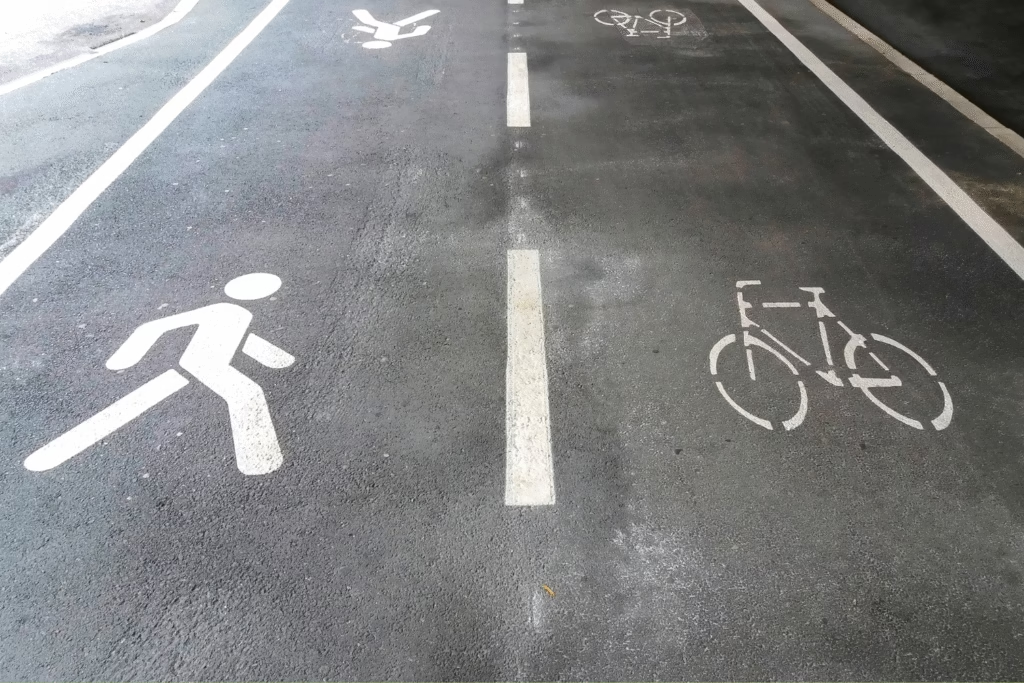
You’ll often see white arrows painted on the road surface. They’re there to tell you which way you can go.
Some lanes also include words or symbols such as “BUS” or a bicycle sign. These indicate that the lane is reserved for public transport, taxis, or cyclists. Using these lanes without permission can result in fines.
Tips for Understanding Markings
1. Observe Lane Lines Carefully
Solid white lines mean no crossing — stay in your lane.
Broken white lines allow lane changes when safe.
2. Watch for Stop and Give-Way Markings
Stop lines are solid white lines at intersections. Give-way triangles on the road signal you must yield.
3. Follow Pedestrian Crossing Markings
Zebra stripes indicate pedestrian priority. always slow down and yield.
4. Respect Bus and Cycle Lanes
Marked lanes for buses or bikes are exclusive don’t enter unless permitted.
5. Practice Patience and Observation
Even familiar markings can be missed always stay alert, and use them as guidance for safer driving.
6. Don’t Ignore Changes
Markings may change before intersections, roundabouts, or junctions. Slow down and observe.
7. Use Markings to Gauge Positioning
Lane lines help you stay centered, judge overtaking opportunities, and maintain safe distances from other vehicles.
8. Watch for Colored Markings
Occasionally, roads use yellow or red markings for temporary lanes, construction, or special zones. Adjust your driving accordingly.
Road markings might seem simple, but they carry important messages. Knowing what each one means helps you stay safe, avoid fines, and drive more smoothly through Latvian roads. Whether it’s a dashed line allowing you to pass or a solid one warning you to stay put, every mark has a reason. Keep an eye on them, respect what they say, and you’ll be driving smarter and safer every day.
FAQ
Q1: What do solid white lines mean?
Solid white lines indicate no lane crossing. Stay in your lane and don’t overtake.
Q2: Can I drive in bus or cycle lanes?
No. these lanes are exclusive. Only enter if permitted by signs or during specific times.
Q3: Can I cross a solid line in an emergency?
Only if it’s absolutely necessary for safety. Otherwise, crossing solid lines is illegal and dangerous.
Q4: Do road markings change near intersections?
Yes, markings often change before junctions, roundabouts, or lane merges. Slow down and observe carefully.
Discover more from SMOOTHSTEERING
Subscribe to get the latest posts sent to your email.
Pingback: What to Expect in the Road Rules Theory Test Latvia
Pingback: Top 15 Common Myths About Driving Rules