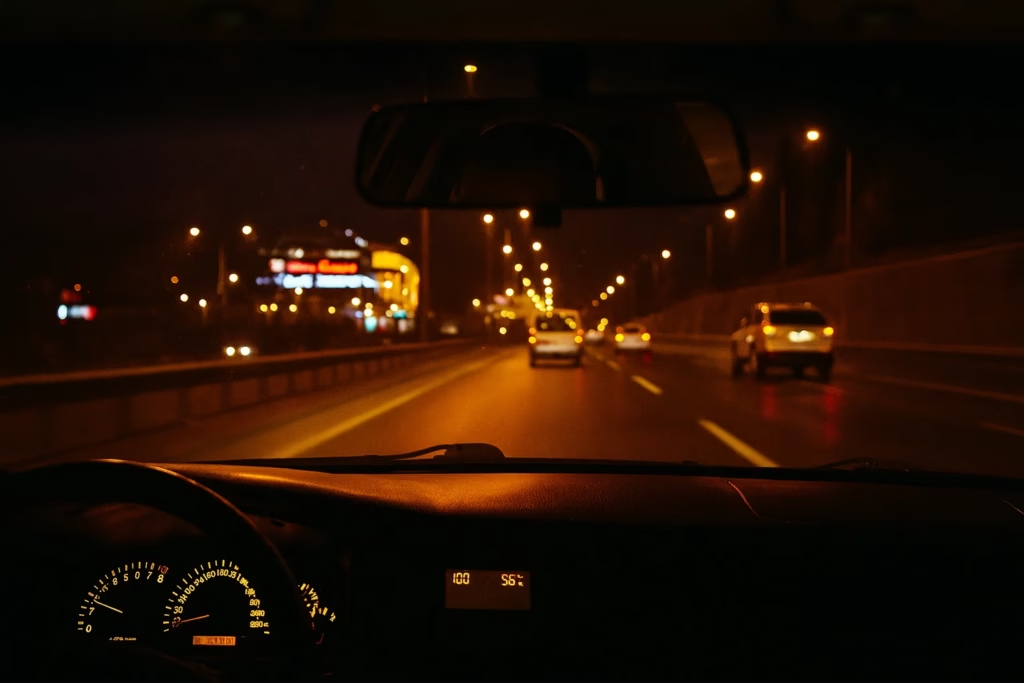
Driving at night can feel challenging, especially if you are new on the road. For beginners, night driving is often one of the scariest parts of learning. Poor visibility, bright headlights from other cars, and quiet but fast-moving roads can create stress.
In fact, many driving test mistakes happen during night driving practice. Learners often forget to manage headlights properly, fail to judge distances, or feel nervous when visibility is low. But the good news is that with the right tips, you can become a confident night driver.
Why Night Driving is Hard for Beginners
Before we dive into tips, let’s understand why night driving feels so difficult.
Reduced Visibility
At night, your eyes cannot see as far or as clearly as during the day. Road signs, pedestrians, and cyclists are harder to spot.Glare from Headlights
Oncoming vehicles with bright headlights can temporarily blind you. Many learners panic in these moments and make mistakes.Fatigue
Driving at night often means you are more tired. Fatigue affects your reaction time and decision-making.Unfamiliar Roads
European roads, especially in rural areas, may have fewer streetlights. Beginners often underestimate sharp turns, roundabouts, or narrow lanes at night.
Because of these challenges, many learners commit driving test mistakes when practicing at night.
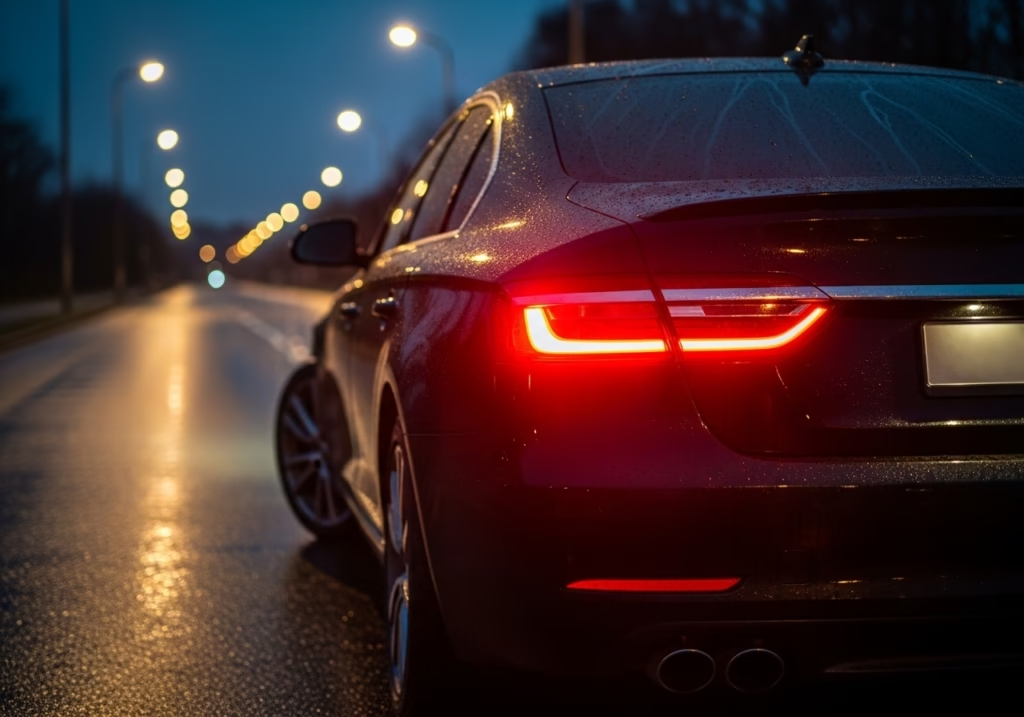
10 Essential Night Driving Tips
Here are practical tips to help you stay safe and avoid driving test mistakes:
1. Use Headlights Correctly
Switch on your headlights before sunset and keep them on until sunrise. In Europe, this is also a legal requirement in many countries.
2. Keep a Safe Distance
At night, it’s harder to judge speed and distance. Maintain more space between your car and the one in front.
3. Reduce Your Speed
It’s tempting to drive at the same speed as in daylight. But slower is safer at night.
4. Clean Your Windshield and Mirrors
A dirty windshield can scatter light and increase glare. Always clean your glass before driving.
5. Adjust Interior Lighting
Bright dashboard lights can distract you. Dim them so your eyes focus on the road.
6. Watch for Pedestrians and Cyclists
In European cities, pedestrians and cyclists are everywhere even at night. Many wear dark clothing, making them hard to see.
7. Take Extra Care at Roundabouts
Roundabouts are common in Europe. At night, poor visibility makes it harder to judge gaps.
8. Avoid Staring at Oncoming Lights
If headlights blind you, look slightly to the right edge of your lane instead of staring straight ahead.
9. Don’t Drive When Tired
Fatigue at night is dangerous. Take breaks, drink water, or avoid late-night practice if you feel sleepy.
10. Practice in Different Conditions
Night driving in Europe can mean highways, small village roads, or busy cities. The more conditions you practice in, the more confident you will be.
Night driving in Europe may feel stressful, but with preparation and practice, you can handle it with confidence. By using your headlights properly, keeping a safe distance, and avoiding common driving test mistakes, you’ll become a safe and skilled driver.
FAQ
Q1: Is night driving more difficult for beginners?
Yes. visibility is lower, lights can cause glare, and judging distances becomes harder. But with the right habits, you can drive safely and confidently at night.
Q2: How should I adjust my headlights?
Use low beams in built-up areas and high beams on dark, empty roads, but always dip them for oncoming traffic to avoid blinding others.
Q3: Should I use interior lights while driving?
No. Avoid using interior or cabin lights while moving. They reduce your night vision and make it harder to see outside.
Q4: How can I make my car more visible at night?
Ensure all lights, indicators, and reflectors work properly. Wearing bright or reflective clothing when outside the car also increases safety.
Q5: Should I use fog lights at night?
Only use fog lights in foggy or low-visibility conditions. Using them unnecessarily can dazzle other drivers and is illegal in most EU countries.
Q6: What’s the golden rule of night driving?
See and be seen. Keep your lights in good condition, stay alert, and drive smoothly without rushing.
Discover more from SMOOTHSTEERING
Subscribe to get the latest posts sent to your email.